


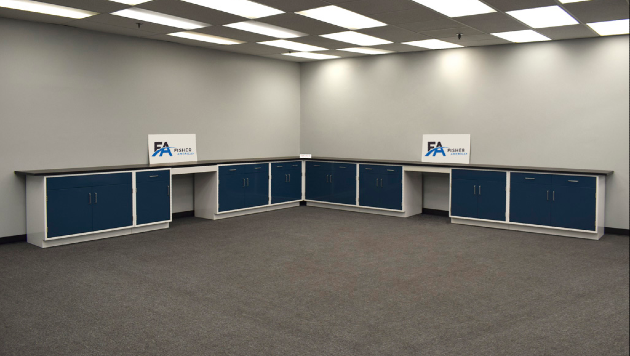
TL;DR: Many lab managers treat cabinets as a commodity line item and buy the cheapest option that meets spec. That mindset costs more over time through early replacements, compliance gaps, lost productivity, and damaged equipment. Quality laboratory cabinets are infrastructure, not inventory, and they pay for themselves.
It’s a familiar budget decision. A quote comes in for premium laboratory cabinets, and it’s higher than expected. So the instinct is to treat cabinets like any other commodity purchase: find something that technically meets spec, keep the number low, and move the budget to equipment that feels more mission-critical.
That instinct makes sense on paper. Cabinets don’t run experiments. They don’t show up on a grant report. But that mindset has a cost that doesn’t show up until later, and by then it’s already been paid.
How Much More Do Quality Laboratory Cabinets Cost Upfront?
Quality laboratory cabinets typically carry a higher sticker price than basic storage. That gap is real, and it’s the first thing most buyers notice. What the sticker price doesn’t show is what happens on the other side of the purchase: how long the cabinet lasts, what it protects, and how much labor and risk it saves.
The rest of this comes down to whether that gap is a cost or an investment, and that depends entirely on what happens after year one.
How Long Do Quality Laboratory Cabinets Actually Last?
Here’s where the “cheap cabinet” math falls apart. Budget cabinets are built to hit a price point, not a service life. They’re often made from materials that weren’t engineered for daily exposure to chemicals, moisture, and heavy use, which means warping, corrosion, and hardware failure show up faster than expected.
Fisher American laboratory cabinets are built from materials engineered specifically to withstand the rigors of daily lab operations. That durability isn’t a marketing line; it’s the reason these cabinets outlast cheaper alternatives. Fewer replacements and fewer repair calls over the cabinet’s lifetime turn the upfront cost difference into a long-term savings line.
The lab manager who buys once and replaces rarely ends up spending less than the one who replaces every few years, even though the second option looked cheaper at checkout.
Is It Cheaper to Buy Quality Now or Replace Budget Cabinets Later?
Lay the two paths side by side and the picture gets clear. The budget path looks cheaper at the register, but it comes with a recurring bill: earlier replacements, more repair calls, compliance exposure, lost productivity, and equipment risk that a better-built cabinet would have prevented.
The quality path costs more on day one and less on every day after that. Reduced maintenance, fewer replacements, and the productivity gains from a well-organized lab add up to a total cost of ownership that consistently favors the higher-quality option.
The Bottom Line: Cabinets Are Infrastructure, Not Inventory
It’s easy to walk into a cabinet purchase treating it like any other line item, something to source cheaply so the budget can go toward equipment that feels more important. But storage isn’t separate from lab performance.
Quality laboratory cabinets aren’t an expense to minimize. They’re infrastructure that pays for itself through fewer replacements, fewer headaches, and less downtime.
Ready to upgrade your laboratory cabinets? Shop our cabinet lineup or design your own. Have questions? We’re a phone call away at (800) 419-1900.