



Many laboratories have both biosafety cabinets and fume hoods in the same room, which makes it easy to assume they perform similar jobs. The two pieces of equipment can look alike, but the difference between biosafety cabinets and fume hoods is significant—especially when safety, compliance, and proper ventilation are on the line. One of the most common questions we hear is: Can a biosafety cabinet be used as a fume hood?
The short answer: No. And the reasons matter.
What a Chemical Fume Hood Is Designed to Do
A chemical fume hood is built to protect personnel from hazardous chemical vapors, fumes, and gases. Its primary purpose is to provide proper ventilation for hazardous fumes by drawing contaminated air away from the user and exhausting it safely outside the building.
Key characteristics of a chemical fume hood include:
- Direct, continuous airflow that pulls chemical vapors away from the breathing zone
- Exhaust ductwork that releases contaminated air outdoors
- Ability to meet chemical vapor containment requirements for solvents, corrosives, and volatile compounds
- Compatibility with substances such as acetone, methanol, formaldehyde, toluene, acids, and other chemicals that require external exhaust
When someone needs to know when to choose a chemical fume hood, the answer is simple: anytime there are chemical vapors, fumes, or gases involved. No biosafety cabinet can replace this function.
What a Biosafety Cabinet Is Designed to Do
A biosafety cabinet is made to protect the user, the work, and the environment from biological materials. Air is drawn into the cabinet, passed through HEPA filtration, and either recirculated into the work zone or released back into the room, depending on the cabinet class.
HEPA Filtration and Its Limitations
HEPA filters effectively trap particulates, biological aerosols, and pathogens. However, they cannot neutralize or remove chemical vapors.
Classes of Biosafety Cabinets
- Class I: Protects personnel and the environment; no product protection
- Class II: Protects personnel, product, and environment; widely used for tissue culture
- Class III: Totally enclosed; used for high-risk biological agents
None of these cabinet types are designed to handle chemical fumes. According to NSF 49 and CDC/NIH guidance, biosafety cabinets are not approved for chemical vapor handling under any circumstances.
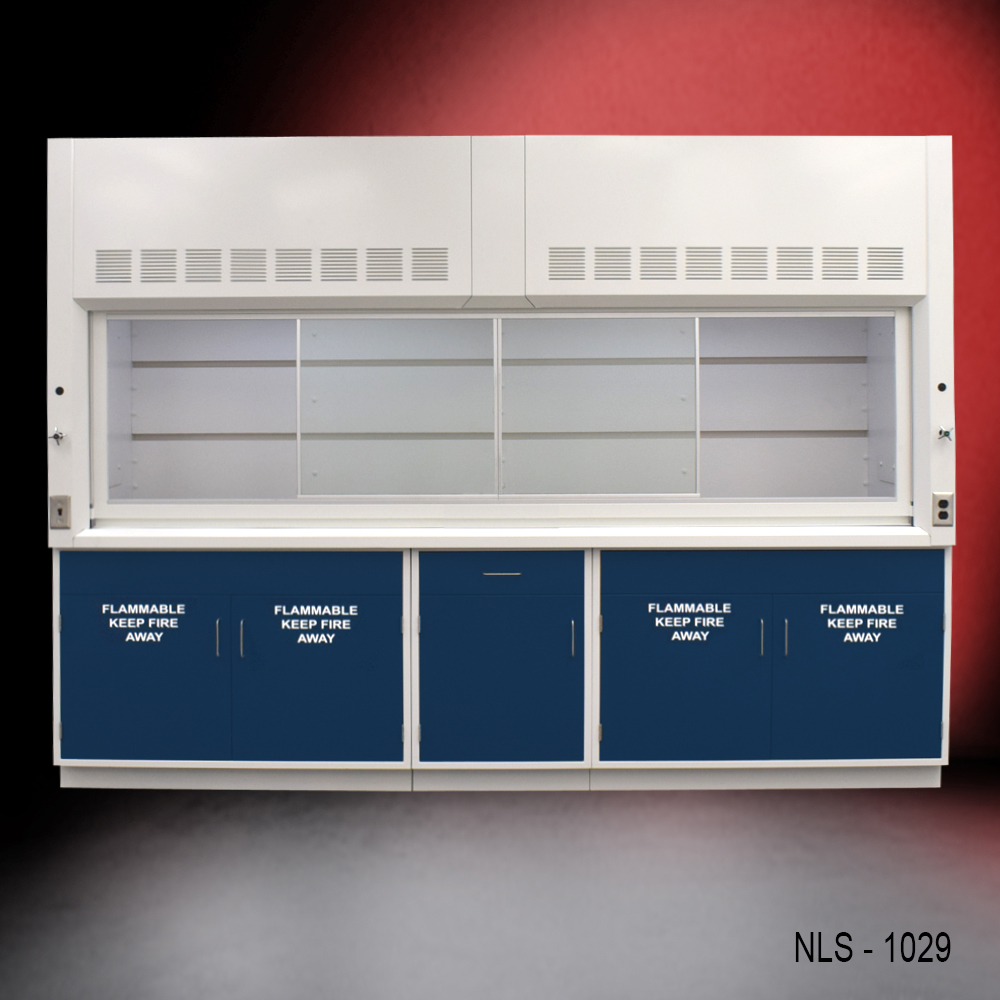
Why a Biosafety Cabinet Cannot Be Used as a Fume Hood
Attempting to use a biosafety cabinet where a fume hood is required creates significant danger. The HEPA filter cannot stop gases or fumes, which leads to the hazards of using a biosafety cabinet for chemicals, such as:
- Vapor buildup inside the cabinet
- Chemical exposure to personnel
- Damage to HEPA filters and internal components
- Safety violations and non-compliance with institutional and national standards
This is why experts stress safe equipment selection for lab ventilation; choosing the right unit is not optional.
Examples of When a Fume Hood Is Required
A chemical fume hood must be used whenever you are working with:
- Volatile organic solvents (acetone, ethanol, methanol)
- Corrosive gases or fumes
- Acids and bases
- Toxic or malodorous vapors
- Any process generating hazardous aerosols from chemicals
In these scenarios, a biosafety cabinet will not protect the operator or the facility.
Need Assistance?
If you have questions about selecting the right fume hood or biosafety cabinet for your laboratory, our team is here to help. Contact us anytime for guidance tailored to your environment and applications.