

Fume hoods are used to protect laboratory personnel and facilities by capturing, containing, and removing hazardous fumes, vapors, gases, and airborne particulates created during chemical handling and laboratory processes. By directing contaminated air away from the user and safely exhausting it from the workspace, a properly selected and used fume hood reduces exposure risks, supports regulatory compliance, and maintains a safer lab environment.
The Primary Purpose of a Fume Hood
The primary purpose of a fume hood is to serve as a physical barrier between hazardous substances and laboratory personnel. A fume hood pulls contaminated air away from the user’s breathing zone and moves it through the building’s exhaust system, preventing harmful exposure during chemical work.

A standard chemical fume hood consists of:
- An enclosed work area
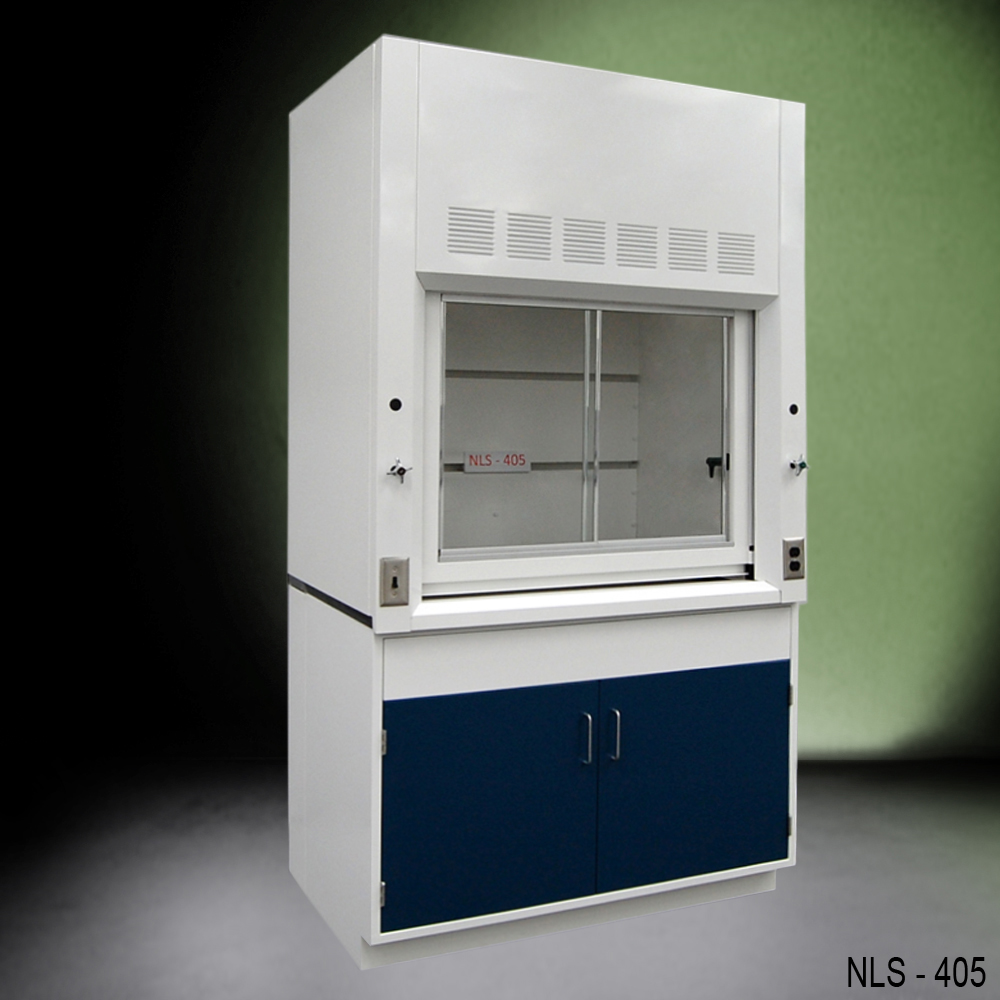
- A movable glass sash that separates the user from the work zone
- Internal baffles that manage airflow
- A connection to the facility’s ventilation system
When used correctly, the hood continuously removes contaminated air and replaces it with clean, conditioned air within the laboratory.
Common Laboratory Tasks That Require a Fume Hood
Fume hoods are required whenever laboratory tasks generate hazardous airborne byproducts that could be inhaled or accumulate in the workspace. These risks may come from routine procedures or infrequent processes that still pose serious safety concerns.
Typical fume hood applications include:
- Mixing or transferring volatile chemicals
- Handling corrosive acids and bases
- Working with solvents that emit harmful vapors
- Heating chemicals that release fumes or gases
- Conducting reactions that produce airborne particulates
If a process creates odors, vapors, dust, or gases that should not be inhaled, it generally belongs inside a fume hood.
Bench vs. Walk-In Fume Hoods: When Each Is Used
The size and configuration of a fume hood depend on the scale of work being performed. Choosing the wrong format can limit usability or compromise safety.
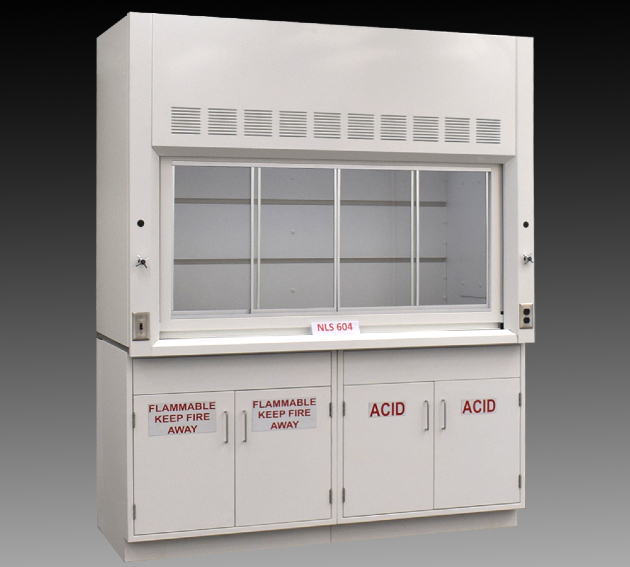
Bench-style fume hoods are used for:
- Routine laboratory procedures
- Smaller equipment and glassware
- Teaching labs and research environments
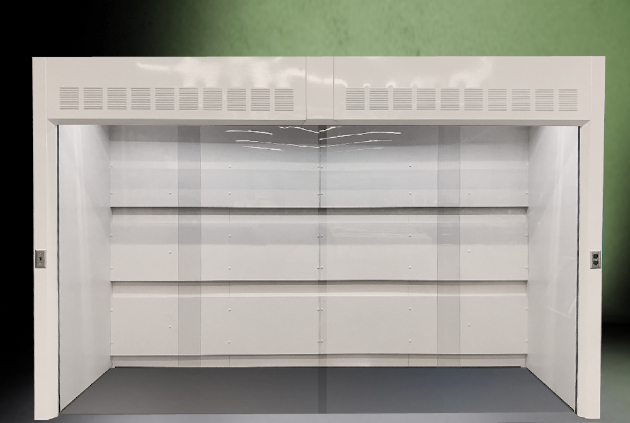
Walk-in fume hoods are used for:
- Large apparatus or pilot-scale equipment
- Drum handling or oversized containers
- Industrial or process-driven lab work
Selecting the appropriate style ensures proper airflow while allowing enough workspace for safe operation.
What a Fume Hood Is Not Used For
A fume hood is not a storage cabinet (it is not these things either) and should never be used to store chemicals long-term. Storing materials inside a hood disrupts airflow patterns, reduces containment effectiveness, and increases safety risks.
Chemical storage should instead be handled using:
- Properly rated laboratory cabinets
- Segregated storage based on chemical compatibility
- Storage systems designed for long-term containment
Using a fume hood for storage compromises both safety and performance.
What to Consider When Choosing a Fume Hood
Selecting the right fume hood depends on the specific chemicals, processes, and physical constraints of the lab. A one-size-fits-all approach increases risk.
Key considerations include:
- Type of chemicals being used
- Frequency and duration of exposure
- Size and layout of the lab space
- Ventilation capacity of the facility
- Compliance and inspection requirements
Involving experienced lab equipment specialists early helps prevent costly mistakes.
Talk to a Fume Hood Specialist
If you’re unsure which fume hood is right for your application, expert input can save time, budget, and safety headaches. Fisher American’s team can help you evaluate your processes, space constraints, and safety requirements to determine the right solution.
Contact Fisher American to discuss your lab’s needs and get help selecting the right fume hood for your application.