


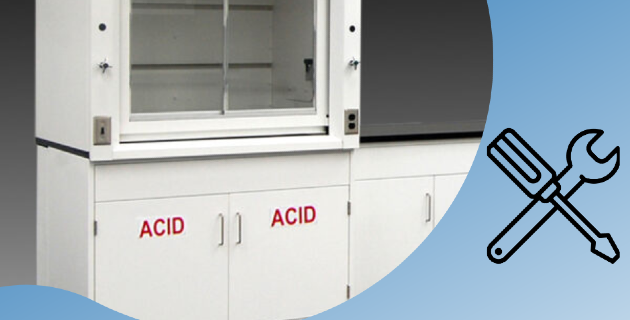
Fume hood maintenance is easier when the equipment is simple to inspect, clean, test, and repair. For a small business, those design details matter. A hood that is difficult to service can mean longer shutdowns, higher labor costs, and more disruption when something goes wrong.
TL;DR
- Check airflow indicators, alarms, the sash, interior surfaces, fixtures, and visible damage before using a fume hood.
- Clean spills promptly using your chemical hygiene plan and the procedures for the material involved.
- Keep equipment and stored items from blocking airflow inside the hood.
- Arrange regular performance inspections based on the manufacturer’s instructions, your safety program, and applicable requirements.
- Do not assume that a working fan means the hood is containing contaminants correctly.
- When buying a hood, ask about service access, replacement parts, cleanable surfaces, documentation, and technical support.
- Maintenance needs vary by hood type, chemicals used, ventilation system, and workplace procedures.
Important: This article provides general maintenance information. Follow the manufacturer’s instructions, your chemical hygiene plan, applicable regulations, and the advice of qualified laboratory safety and ventilation professionals.
Why Does Fume Hood Maintenance Matter?
A chemical fume hood is often the main engineering control used to limit workers’ exposure to hazardous airborne chemicals. Maintenance helps confirm that the hood, exhaust system, sash, controls, and surrounding ventilation continue to work together as intended.
Poor maintenance can contribute to:
- Reduced containment
- Unexpected alarms or shutdowns
- Sticking or damaged sashes
- Corroded interior surfaces
- Fixture leaks
- Unplanned repair costs
- Disrupted laboratory work
A hood may appear to be operating because air is moving or a fan is running. That does not, by itself, confirm that contaminants are being contained properly. Hood design, airflow patterns, room ventilation, equipment placement, and user position can all affect performance.
What Fume Hood Maintenance Should Be Done Before Each Use?
Before using a fume hood, check that it appears operational, the airflow indicator is normal, the sash moves properly, and the work area is not blocking airflow. Report unusual conditions instead of starting work and hoping the problem resolves itself.
CDC training materials recommend completing performance checks and paying attention to equipment placement because both can affect fume hood operation. OSHA guidance also advises keeping materials stored in hoods to a minimum and avoiding blocked vents or airflow paths
These checks are not a substitute for professional testing. They are a quick way to catch obvious problems before work begins.
How Should a Chemical Fume Hood Be Cleaned?
Clean spills promptly using the response procedure for the chemical involved. Routine cleaning should remove residue without damaging the liner, work surface, sash, seals, fixtures, or other components.
NIH guidance notes that fume hoods exhaust airborne contaminants, not liquid or powder spills. Spills still need to be cleaned according to the laboratory’s spill-response plan.
Routine Cleaning
Clean accessible interior surfaces using the manufacturer’s recommended method. Pay attention to:
- The work surface
- Side walls
- Interior liner
- Sash glass
- Airfoil
- Accessible fixture surfaces
- Areas where residue tends to collect
Do not remove baffles, service panels, electrical components, plumbing fixtures, or other parts unless the manufacturer’s documentation allows it and the work is being completed by an appropriate person.
Different hood materials tolerate different chemicals and cleaning products. There is no single cleaning method that is correct for every fume hood or laboratory process.
How Often Should a Fume Hood Be Inspected?
Fume hoods should be inspected on a regular schedule set by the employer, manufacturer, safety program, and applicable requirements. Many institutions arrange annual performance inspections, but annual testing should not be presented as a universal rule for every workplace.
ASHRAE Standard 110 provides recognized methods for evaluating laboratory fume hood containment. It is a performance-testing method, not a complete maintenance program or a guarantee that every hood is suitable for every chemical process.
What Are Common Signs That a Fume Hood Needs Service?
A fume hood may need service when alarms occur, airflow indicators change, the sash becomes difficult to move, or users notice new odors, noise, vibration, corrosion, or visible damage.
Watch for:
- Repeated or unexplained airflow alarms
- A monitor reading outside its normal range
- New odors outside the hood
- Smoke or vapor moving toward the user
- A sash that sticks, drops, binds, or will not remain open
- Cracked sash glass
- Corroded liners or work surfaces
- Loose baffles or panels
- Leaking plumbing fixtures
- Flickering lights or electrical problems
- Unusual fan noise or vibration
- A noticeable change after doors, walls, HVAC equipment, or room layouts are modified
Stop the affected work when you are not confident that the hood is operating safely. Follow your laboratory procedures for securing chemicals, notifying responsible personnel, and arranging an evaluation.
Do not rely on smell alone. Some hazardous chemicals have poor warning properties, and odor does not provide a dependable measure of exposure.
How Can Small Businesses Reduce Fume Hood Downtime?
Small businesses can reduce downtime by keeping accurate equipment records, scheduling inspections before they become urgent, identifying service providers in advance, and choosing equipment with accessible parts and clear documentation.
What Fume Hood Maintenance Tasks Can Employees Handle?
Employees can usually perform basic checks, housekeeping, and approved surface cleaning when they have been trained and the work is covered by company procedures. Testing, internal repairs, electrical work, and ventilation adjustments generally require qualified personnel.
Tasks trained users may be able to perform
- Checking the airflow indicator
- Looking for active alarms
- Inspecting for visible damage
- Keeping baffles and air slots clear
- Removing unnecessary stored materials
- Cleaning approved surfaces
- Reporting leaks, corrosion or sash problems
- Recording routine checks
Tasks that may require a qualified technician
- Calibrating monitors or alarms
- Measuring airflow
- Performing containment tests
- Repairing sash cables or counterweights
- Removing internal baffles
- Servicing electrical components
- Repairing plumbing or gas fixtures
- Modifying ducts, fans or controls
- Rebalancing laboratory ventilation
- Evaluating corrosion behind panels
Find a Fume Hood That Is Easier to Maintain
Tell Fisher American what your laboratory does, which chemicals you use, and what maintenance concerns you are trying to solve. A product specialist can help you compare fume hood types, materials, sizes and service features. Contact Fisher American today!