


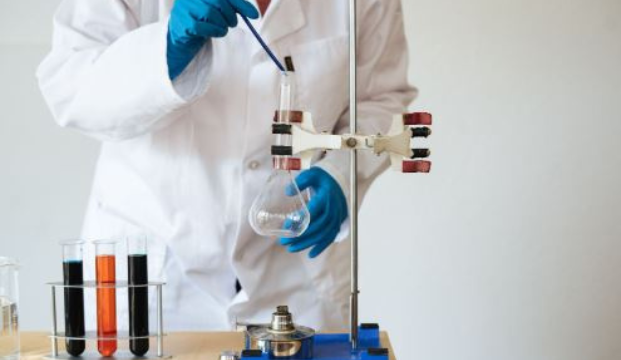
Why Laboratory Sustainability Matters More Than Ever
Laboratories consume significantly more energy than standard office buildings. From ventilation systems to ultra-low temperature freezers, lab operations have a real environmental and financial footprint. Improving sustainability isn’t just about reducing waste—it’s about operating more efficiently without compromising research quality.
Reduce Single-Use Plastics in the Laboratory
How to Recycle Disposable Lab Plastics Safely
Single-use plastics are common in nearly every lab. While not all plastics can be recycled due to contamination or chemical exposure, many can be handled through specialized waste streams. Work with your disposal provider to identify what materials qualify and which require alternative handling.
Manufacturer Take-Back and Reuse Programs
Some lab suppliers offer take-back or repurposing programs for plastics and consumables. Universities and research facilities may also have internal reuse systems that help reduce landfill waste and procurement costs.
Replace Plastic with Glassware Where Appropriate
Benefits of Glassware for Long-Term Sustainability
Glassware often lasts longer, maintains accuracy better, and generates less waste over time than disposable plastic alternatives. For non-sterile applications, switching back to glass can reduce recurring costs and improve consistency.
Improve Fume Hood Energy Efficiency by Closing the Sash
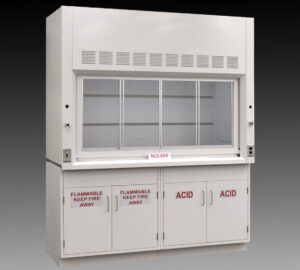
Why Open Fume Hood Sashes Waste Energy
When a fume hood sash is left open, it continuously pulls conditioned air from the lab. This forces HVAC systems to work harder and increases energy use.
Simple Habits That Reduce Fume Hood Energy Use
Closing the sash when the hood is not in active use can reduce fume hood energy consumption by up to 30%. Visual reminders and staff training help reinforce this habit.
Power Down Laboratory Equipment When Not in Use
Reduce Phantom Energy Consumption in Labs
Many devices draw power even when idle. Turning off equipment, unplugging unused devices, and using power strips can significantly reduce unnecessary energy use.
Equipment Shutdown Best Practices
Not all lab equipment can be powered down, but identifying what can be safely shut off helps extend equipment lifespan and lower utility costs.
Choose Sustainable Laboratory Suppliers and Materials
What to Look for in Sustainable Lab Products
Sustainable sourcing includes evaluating material durability, packaging waste, disposal requirements, and lifecycle impact, not just upfront cost.
Bioplastics and Environmentally Conscious Manufacturing
Some manufacturers offer products designed to break down more easily or reduce environmental impact during production.
Replace Hazardous Chemicals with Safer Alternatives
Reduce Toxic Waste Without Compromising Results
Newer chemical formulations and methods often deliver the same results with lower toxicity. Regular chemical inventory reviews help eliminate outdated or unnecessary hazardous materials.
Optimize Freezer Efficiency and Cold Storage Management
Why Ultra-Low Temperature Freezers Use So Much Energy
Freezers are essential for storage, but they use a huge amount of energy. Second only to fume hoods, a lab’s cold storage is likely the next biggest consumer of energy. Ultra low-temperature freezers (-80°C) consume a lot of energy and are a large investment. A single ultra-low freezer on average uses ~8000 kWh, enough to power an entire house for about 9 months.
Freezer Energy-Saving Best Practices
- Remove unused or expired samples
- Defrost units regularly
- Check and replace door seals
- Avoid placing freezers near heat sources
- Adjust temperatures where appropriate
Small changes can significantly reduce energy use and extend freezer lifespan.
Dispose of Hazardous Laboratory Waste Properly
EPA-Approved Hazardous Waste Disposal Practices
Hazardous chemicals should never be poured down drains or discarded in standard trash. Follow approved disposal methods, including sharps containers and medical waste systems when required.
Limitations of Fume Hood Waste Capture Systems
Some fume hoods include mechanisms for capturing vapors or solvents, but these are designed for small quantities and should not replace proper waste disposal protocols.
Adjust Laboratory Equipment Settings to Reduce Energy Use
Assess Airflow, Exhaust, and Power Output
Many lab systems operate at higher settings than necessary. Reviewing airflow rates, exhaust schedules, and power output can reduce energy consumption without affecting daily operations.
Maintain Laboratory Equipment for Long-Term Sustainability
Preventive Maintenance as a Sustainability Strategy
Routine maintenance improves efficiency, extends equipment life, and reduces premature replacement. Preventive care supports both sustainability goals and operational reliability.
Building a Greener Laboratory Starts with Smarter Operations
Improving lab sustainability doesn’t require a complete redesign. Small operational changes, consistent habits, and informed equipment management can reduce waste, lower energy costs, and support long-term performance—without sacrificing research quality.
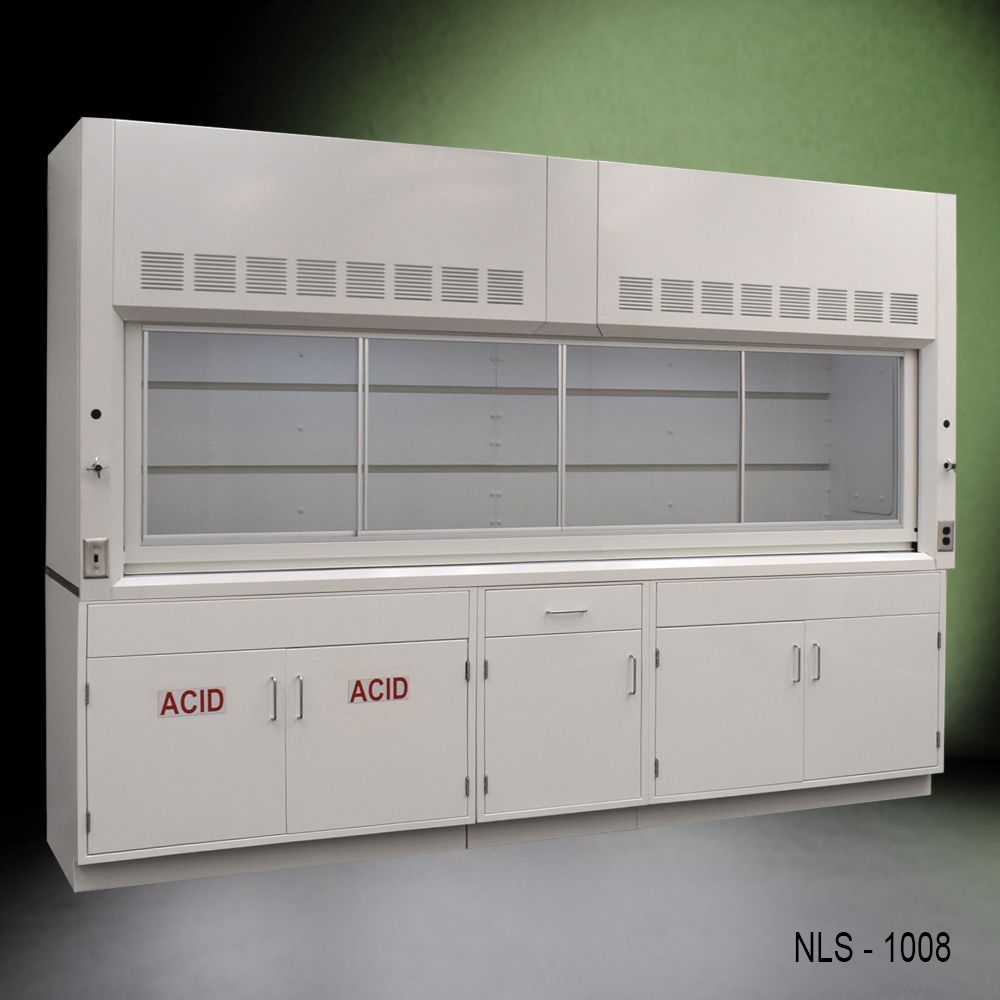
10′ Fisher American Fume Hood w/ ACID & General Storage Cabinets
Choose the NLS 1008 for a fume hood experience that seamlessly combines safety, efficiency, and customizable features tailored to meet the specific needs of your laboratory. Carefully crafted, this hood boasts a dynamic dual glass sash and baffles for top-tier protection.
Configure your workspace effortlessly with essential features such as acid and general storage cabinets, a functional work surface, and responsive service valves. Illuminate your tasks efficiently with the integrated LED light, controlled by a user-friendly switch, and power your experiments seamlessly with the built-in outlet.
Personalize your setup with customizable options, including a sink, gooseneck faucet, extra service valves, and additional outlets. Please note that all hoods will require hard-wiring and a dedicated blower for optimal operation.