

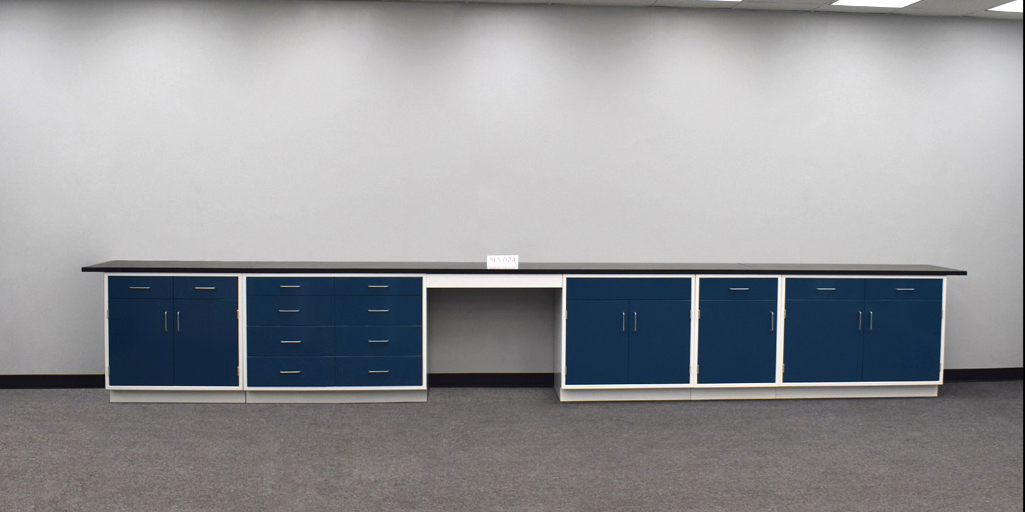
Scientific cabinets are purpose-built infrastructure, and choosing the right one for your specific materials, workflow, and compliance requirements is one of the highest-leverage decisions a lab manager or safety officer can make. This guide covers the primary categories of scientific cabinets, what they do, what they protect against, and how to select the right solution for your lab’s needs.
Fisher American note: All cabinets referenced are available in our standard catalog or as fully customized configurations. Most ship in under two weeks. If you'd like a recommendation for your specific application, contact our lab specialists at (800) 419-1900.
Scientific Cabinets Designed for Containment
Chemical Storage Cabinets
Chemical storage cabinets are constructed to resist the corrosive effects of the substances they house. Materials like high-density polyethylene or epoxy-coated steel are selected based on the chemical profile of what’s being stored. Standard safety features include double-wall insulation, internal ventilation ports, corrosion-resistant hardware, and locking mechanisms to prevent unauthorized access.
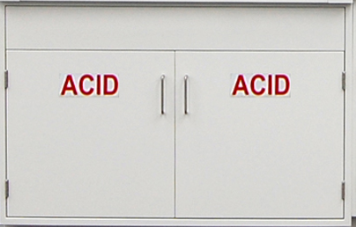
It is important to note that selecting the appropriate type of cabinet and ensuring its proper use is essential for effective chemical storage. Cabinets should be selected based on the specific needs of the chemicals being stored and equipped with appropriate ventilation, labeling, and safety features to minimize exposure risks. By following these guidelines, laboratories can maintain a safe and organized workspace while minimizing the risk of accidents and hazards related to chemical storage.
Flammable Liquid Storage Cabinets
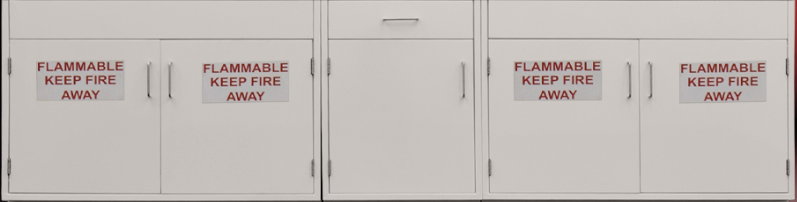
Flammable liquid storage cabinets are designed to store flammable liquids safely. They are made of materials that can withstand the heat generated by a fire and prevent the flames from spreading. Flammable liquid storage cabinets have several safety features, including double walls, venting, grounding wires, and self-closing doors. These cabinets are essential for laboratories that work with flammable liquids such as solvents, fuels, and oils.
Scientific Cabinets Designed for Protection
Biological Safety Cabinets
Biological safety cabinets protect laboratory workers and the surrounding environment from exposure to infectious, toxic, or allergenic biological agents. They are essential for laboratories that work with biological materials that could be infectious, toxic, or allergenic. Biological safety cabinets remove solid particles from the air through the use of HEPA filters. The filters trap 99.97% of airborne particles before the air is recirculated back into the laboratory. Work within a biosafety cabinet is performed by placing the materials inside the cabinet. The operator then performs the necessary tasks while standing in front of the cabinet, using gloves that are built into the cabinet walls to manipulate the materials.
Biosafety cabinets (BSCs) are not typically intended for chemical storage. While some BSCs may have chemical-resistant materials on the interior surfaces, they are not specifically designed for chemical storage and may not provide adequate protection against chemical spills, vapor exposure, or other chemical hazards. Chemicals should be stored in dedicated and appropriate storage solutions designed for the specific needs of the chemicals being stored.
Fume Hoods
Fume hoods are a type of cabinet designed to protect laboratory workers from inhaling harmful fumes, vapors, and dust that may be generated during experiments or other laboratory activities. They are essential for laboratories that work with volatile chemicals, acids, and bases that could pose a respiratory hazard. Fume hoods have several safety features, including exhaust fans that remove fumes and vapors from the work area, air filters that remove particulate matter, and safety glass that prevents explosions.

Work within a fume hood is performed by standing in front of the hood with the sash lowered to the appropriate level to ensure proper airflow. The materials or samples are placed inside the hood, and any necessary equipment is set up within the hood as well. The researcher can then perform the necessary tasks, such as weighing or mixing chemicals or conducting experiments, while ensuring that all materials remain within the hood while working. The materials should be removed and properly stored when all tasks are completed. Chemicals should never be stored in a fume hood.
Fisher American advantage: Our fume hoods are UL Listed and manufactured at our facility in Rockton, IL. We offer standard hoods as well as fully engineered custom configurations. Combination units — fume hood over flammable or acid storage — are in-stock and among our fastest-shipping products.
Other Uses of Scientific Cabinets in Laboratories
Organization and Storage of Equipment
Scientific cabinets that are specifically designed for the organization and storage of laboratory equipment can provide a safe and efficient storage solution for valuable laboratory instruments and tools. These cabinets come in various configurations, such as shelves, drawers, and wall units that can accommodate different types of equipment, from microscopes to pipettes to glassware. Cabinets can also be customized with different sizes, shapes, and shelving options to fit specific laboratory needs.

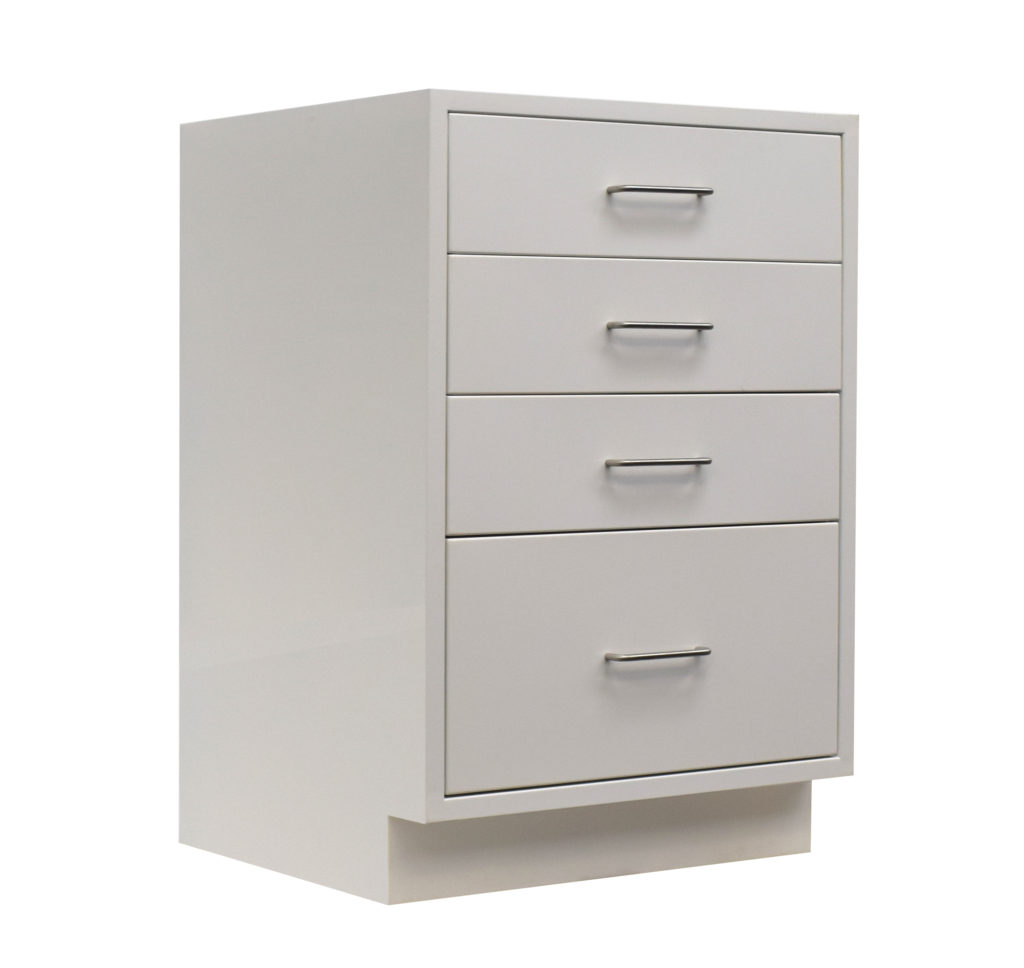
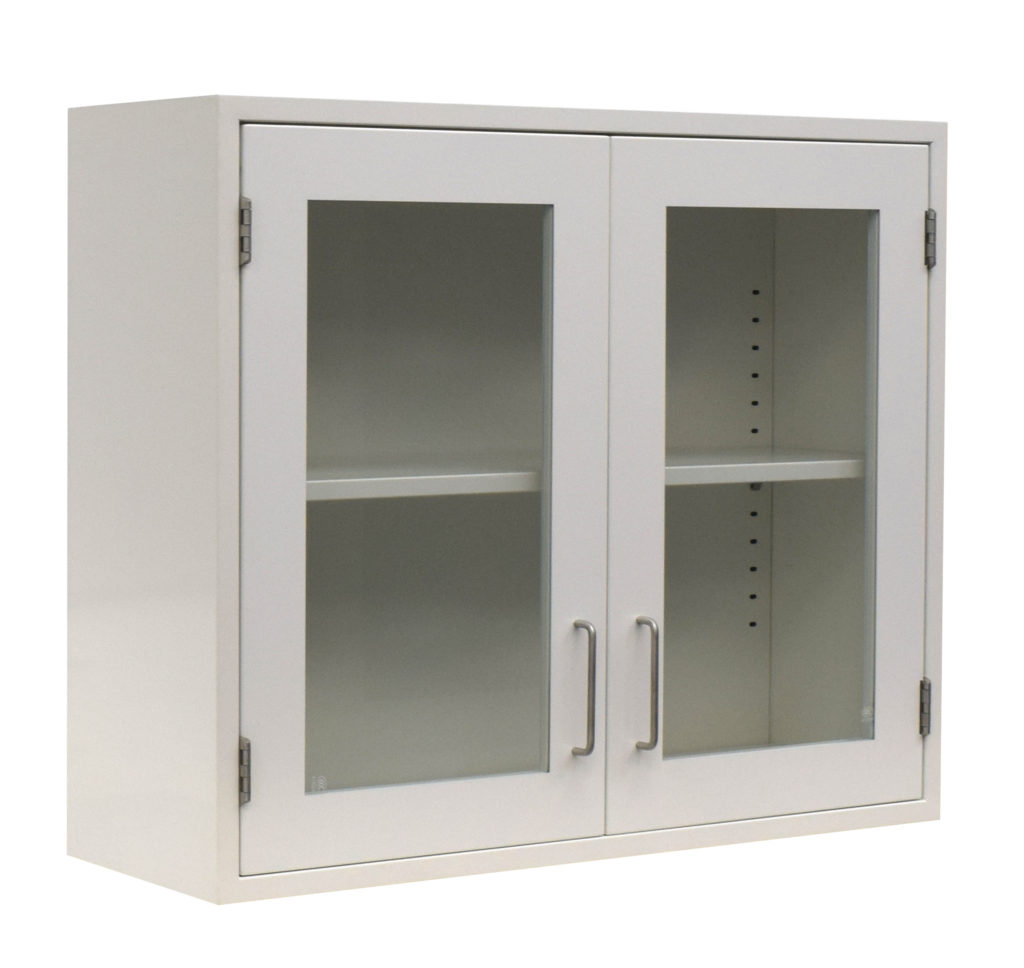
Locking mechanisms are often incorporated into the design to protect valuable equipment from theft or unauthorized use, as well as prevent equipment from falling or spilling out of the cabinet. Scientific equipment storage cabinets can also help ensure laboratory efficiency and organization by keeping equipment clean, organized, and easily accessible, minimizing the risk of damage or loss. They can also play a role in laboratory safety by preventing accidents due to disorganized or cluttered laboratory spaces.
Fisher American’s casework and storage solutions are available in modular configurations with shelves, drawers, and wall-mounted units. All can be customized for size, finish, and shelving options to match your floor plan and workflow.
Compliance with Regulations
Scientific cabinets are essential for laboratories that need to comply with regulations. Cabinets that are designed to store hazardous chemicals or flammable liquids must comply with OSHA and NFPA regulations. Biological safety cabinets must comply with CDC guidelines. Fume hoods must comply with ASHRAE standards.
The Backbone of Modern Lab Safety
From safeguarding sensitive samples to preventing hazardous materials from wreaking havoc, scientific cabinets are the backbone of modern laboratories. Each is specifically designed to ensure the organization, storage, and/or protection of laboratory equipment, personnel, and samples. With a wide array of options available, laboratories can choose from chemical storage cabinets, flammable liquid storage cabinets, biological safety cabinets, and fume hoods to meet their unique requirements. Whether you’re dealing with corrosive chemicals, flammable liquids, or biological agents, these cabinets are essential for safeguarding laboratory workers and meeting compliance regulations. With their ability to enhance laboratory safety and efficiency, it’s clear that scientific cabinets are a must-have for any modern laboratory.
It is crucial to determine the appropriate type of cabinet needed for a laboratory based on the specific materials being stored or worked with. Different cabinets are designed to provide specialized protection for different scenarios. Choosing the wrong type of cabinet or using a cabinet that does not meet the necessary safety standards could lead to serious safety hazards or regulatory violations. Ultimately, selecting the appropriate type of scientific cabinet for a laboratory is critical to ensuring the safety of personnel and the accuracy of experimental results.
If you need assistance in choosing the right fume hood or cabinet for your work area, please don’t hesitate to contact us. At Fisher American, we have a remarkable selection of casework, workstations, fume hoods, and related lab products. Most of our items can be shipped quickly. In most cases, less than two weeks.
No. Acids (particularly oxidizing acids like nitric acid) are incompatible with flammable liquids and must be stored in separate, segregated cabinets.
No, this is one of the most dangerous substitutions in laboratory practice. Biosafety cabinets are designed for biological containment, not chemical vapor control.
No. Fume hoods are work surfaces, not storage cabinets. Storing chemicals in a fume hood reduces airflow, creates additional ignition sources and spill risks, and can compromise the hood’s containment performance. Chemicals used in a fume hood should be retrieved from dedicated storage (flammable cabinet, acid cabinet, etc.), used, and returned to storage when work is complete. Fisher American’s combination fume hood and storage units — with rated cabinets built into the base — are specifically designed to solve this workflow problem.
Yes. Fisher American specializes in custom laboratory casework and fume hood configurations. Through our Design Your Own tool and direct consultation with our engineering team, labs can specify exact dimensions, materials, shelving, finishes, hardware, and accessory configurations.
Yes. Fisher American’s fume hoods are UL Listed, which means they have been independently tested and certified to meet safety standards for laboratory use. UL certification is a common institutional requirement for capital equipment purchases and is recognized by insurance carriers and accreditation bodies. It should be a minimum standard when evaluating any fume hood supplier.