


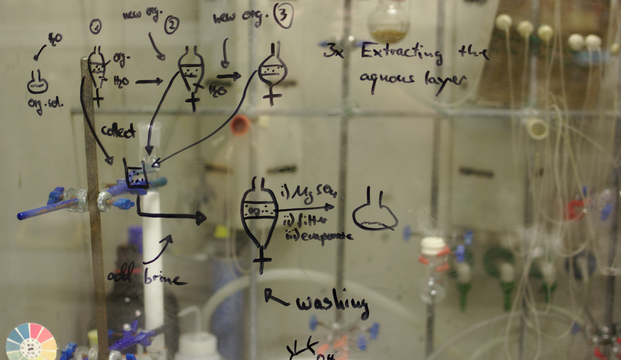
In many laboratories, the fume hood is the unsung hero of the room. It quietly pulls hazardous fumes, vapors, and particles away from researchers so experiments can happen safely. When it’s used correctly, it’s one of the most effective safety tools in the lab. When it’s used incorrectly… well, that’s when problems start.
And let’s be honest. Labs are busy places. Experiments run late. Equipment gets moved around. Someone sets a box inside the hood “just for a minute.” Before long, airflow is blocked, chemicals are stored where they shouldn’t be, and the hood is no longer doing its job.
Follow these guidelines and your fume hood will do what it was designed to do: protect you, protect your team, and keep your lab environment safe while the science gets done.
What is Proper Fume Hood Use?
Fume Hood Safety: 50 Must-Do’s for Laboratory Safety
- Do use a face shield or respiratory protection when working with highly toxic or carcinogenic chemicals.
- Do keep the fume hood clean and free of clutter to avoid blocking airflow.
- Do make sure that the fume hood exhaust system is not obstructed and is working properly.
- Do use a fume hood that is appropriate for the type of chemical or substance being used.
- Do use a fume hood that has a sufficient size to accommodate the materials and equipment being used.
- Do use a fume hood with a variable speed blower to adjust airflow based on the type and quantity of chemicals being used.
- Do use a fume hood with a sash that is easy to operate and adjust.
- Do use a fume hood that has a fire suppression system installed or nearby.
- Do use a fume hood that has a warning alarm to alert users of any issues with the exhaust system.
- Do use a fume hood that is located in a well-ventilated area.
- Do ensure that the fume hood is connected to a proper exhaust system that vents to the outside.
- Do use a fume hood that has a monitoring system to alert users to changes in airflow or pressure.
- Do use a fume hood that has a backup power source in case of a power outage.
- Do use a fume hood that has an emergency stop button in case of an emergency.
- Do use a fume hood that has a safety interlock to prevent operation if the sash is not in the proper position.
- Do use a fume hood that has a pressure gauge to monitor the air pressure inside the hood.
- Do use a fume hood that has a gas detection system to alert users to the presence of dangerous gases.
- Do use a fume hood that has a spill containment system to prevent spills from escaping the hood.
- Do use a fume hood that has a lighting system to illuminate the workspace.
- Do use a fume hood that has a ventilation system that is compliant with all applicable regulations and standards.
- Do ensure that the fume hood is properly installed and maintained according to the manufacturer’s instructions.
- Do use a fume hood that is designed for the type of work being performed (e.g. acid hood, radioisotope hood, etc.).
- Do use a fume hood that has a clear and visible maximum working height indicated on the sash.
- Do use a fume hood that has a fan speed controller to adjust the airflow rate.
- Do use a fume hood that has a carbon filter to clean contaminated air before it recirculates back into the work area (Applies to ductless fume hoods).
- Do use a fume hood that has a pressure sensor to monitor the airflow velocity.
- Do ensure that the fume hood is equipped with an audible and visual alarm system to indicate low airflow or malfunction.
- Do ensure that the fume hood has a minimum face velocity of 100 feet per minute (fpm) or greater, as required by OSHA and other regulations.
- Do ensure that the fume hood is certified annually by a qualified professional to ensure proper functioning.
- Do ensure that the fume hood is equipped with a backup power source such as a generator or uninterruptible power supply (UPS) in case of a power outage.
- Do ensure that the fume hood is equipped with an automatic fire suppression system.
- Do ensure that the fume hood is equipped with a properly installed and maintained exhaust duct system (Does not apply to ductless fume hoods).
- Do ensure that the fume hood is equipped with an alarm system that will alert personnel to any malfunction.
- Do ensure that the fume hood is equipped with a continuous air flow monitor that detects any changes in airflow.
- Do ensure that the fume hood is properly calibrated and serviced at regular intervals to ensure optimal performance.
- Do use a fume hood that has a transparent sash or window to allow for easy visual monitoring of the experiment.
- Do use a fume hood that has an adjustable sash height to accommodate different experimental setups.
- Do use a fume hood that has a built-in lighting system to improve visibility.
- Do use a fume hood that has a removable baffle or tray for easy cleaning and maintenance.
- Do use a fume hood that has an audible alarm system to alert users to any changes in airflow or pressure.
- Do use a fume hood that has a digital display to show real-time information on airflow, pressure, and temperature.
- Do use a fume hood that has a designated space for storing chemicals and equipment.
- Do use a fume hood that has a clear evacuation plan in case of emergency.
- Do use a fume hood that has a proper waste disposal system to safely remove hazardous materials.
- Do ensure that the fume hood is properly labeled with the type of chemicals being used and any hazards associated with them.
- Do ensure that the fume hood is properly ventilated to prevent the buildup of toxic gases and vapors.
- Do use a fume hood that has a clear and unobstructed path to the exit in case of emergency.
- Do use a fume hood that has a proper ventilation system to prevent the buildup of flammable or explosive vapors.
- Do use a fume hood that has a backup alarm system in case of a malfunction.
- Do use a fume hood that has a built-in safety interlock to prevent accidental operation.

Clearing the Air: 51 Fume Hood Don’ts for Laboratory Safety
- Don’t use a fume hood without appropriate training and authorization.
- Don’t use a fume hood for non-chemical purposes, such as storage or as a workspace.
- Don’t use a fume hood that is not functioning properly or is damaged.
- Don’t use a fume hood that does not have proper airflow or ventilation.
- Don’t use a fume hood with an obstructed or partially open sash.
- Don’t use a fume hood with an inadequate exhaust system.
- Don’t use a fume hood with a damaged or missing baffle.
- Don’t use a fume hood without appropriate personal protective equipment (PPE).
- Don’t use a fume hood that is not grounded properly.
- Don’t use a fume hood that has not been inspected and certified by a qualified technician.
- Don’t use a fume hood without proper emergency equipment, such as a fire extinguisher or eye wash station, nearby.
- Don’t use a fume hood with an improper sash height or an open sash height.
- Don’t use a fume hood with an obstructed airflow monitor.
- Don’t use a fume hood with an obstructed drain or spill tray.
- Don’t use a fume hood with chemicals or substances that are not compatible with the hood’s materials of construction.
- Don’t use a fume hood with excessive clutter or equipment that could interfere with proper airflow.
- Don’t use a fume hood with an open flame or heat source.
- Don’t use a fume hood with equipment that generates excessive heat, such as an oven or hot plate.
- Don’t use a fume hood as a bio-safety cabinet.
- Don’t use a fume hood with chemicals or substances that are not properly labeled.
- Don’t use a fume hood with chemicals or substances that are not properly stored.
- Don’t use a fume hood with equipment that produces excessive noise or vibration.
- Don’t use a fume hood without proper ventilation or exhaust ducts.
- Don’t use a fume hood with equipment that is not properly grounded.
- Don’t use a fume hood without proper signage indicating its use.
- Don’t use a fume hood with incompatible chemicals or substances.
- Don’t use a fume hood with equipment that has been modified or tampered with.
- Don’t use a fume hood with equipment that is not properly calibrated or maintained.
- Don’t use a fume hood without proper spill containment measures in place.
- Don’t use a fume hood with chemicals or substances that have not been properly documented and approved.
- Don’t use a fume hood without proper ventilation or airflow control.
- Don’t use a fume hood without proper lighting or visibility.
- Don’t use a fume hood with equipment that generates excessive dust or particles.
- Don’t use a fume hood with chemicals or substances that are not properly disposed of.
- Don’t use a fume hood without proper access to emergency shut-off controls.
- Don’t use a fume hood with incompatible electrical equipment or devices.
- Don’t use a fume hood with equipment that is not properly secured or anchored.
- Don’t use a fume hood without proper training on emergency procedures.
- Don’t use a fume hood without proper ventilation or air filtration.
- Don’t use a fume hood with equipment that produces excessive odor or fumes.
- Don’t use a fume hood with incompatible or unapproved chemicals or substances.
- Don’t use a fume hood with equipment that produces excessive vibration.
- Don’t use a fume hood with equipment that is not properly labeled or identified.
- Don’t use a fume hood without proper grounding or electrical safety measures.
- Don’t use a fume hood with equipment that has been damaged or is not functioning properly.
- Don’t use a fume hood without proper communication or coordination with other users in the area.
- Don’t use a fume hood with equipment that is not properly calibrated or maintained.
- Don’t use a fume hood with chemicals or substances that have not been properly diluted or prepared.
- Don’t use a fume hood with equipment that produces excessive heat or cold.
- Don’t use a fume hood with chemicals or substances that are not compatible with other chemicals or substances in the hood.
- Don’t use a fume hood without proper emergency procedures and protocols in place.

Breathing Easy: Mastering Fume Hood Safety
By now you have seen that safe fume hood operation is not about memorizing a long list of rules. It is about developing good habits and understanding how the hood works.
When used properly, a fume hood helps:
- Capture hazardous vapors and fumes
- Protect researchers from chemical exposure
- Maintain a safe and controlled lab environment
Small behaviors matter. Keeping the sash at the correct height. Avoiding clutter inside the hood. Positioning equipment properly so that airflow is not blocked. These simple practices allow the hood to perform the way it was designed to.
On the other hand, many common mistakes can quietly reduce a hood’s effectiveness. Using it for chemical storage, blocking the airflow with equipment, or running experiments too close to the front opening can compromise containment.
The takeaway is simple: a fume hood works best when the people using it respect how it is designed to function.

For lab managers, researchers, and safety professionals, reinforcing these habits across the team can dramatically improve overall laboratory safety.
And if your lab is evaluating new equipment, modern fume hoods offer additional safety features such as improved airflow monitoring, better containment design, and systems that help maintain consistent performance.
If you need assistance in choosing the right fume hood or laboratory cabinet for your work area, please don’t hesitate to contact us.